

IRS - Tax Fraud
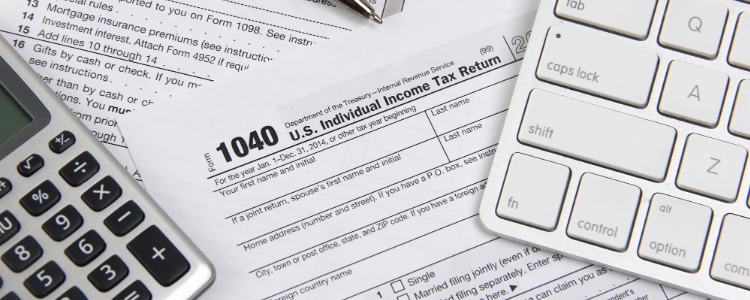
Understanding IRS-Tax Fraud: Protecting Yourself and Reporting Scams
Report IRS Scams:
- Report IRS Impersonation: Click Here(Opens in a new window)
- Report to IRS: Report any incident to the Treasury Inspector General for Tax Administration (TIGTA) at 800-366-4484 or https://www.tigta.gov(Opens in a new window).
- I.D. theft Issues: Contact the IRS Identity Protection Specialized Unit at 800-908-4490 to secure your tax account.
IRS Impersonation Scams
Stay alert to scams that use the IRS as a lure. Tax scams can occur at any time of year, not just during tax season. For more information, visit Tax Scams and Consumer Alerts on IRS.gov. Please visit https://www.irs.gov/uac/tax-scams-consumer-alerts(Opens in a new window)
IRS Phone Scams:
- Con artists make unsolicited calls claiming to be IRS officials. The demand that the victim pay a bogus tax bill. The con artist convinces the victim to send cash, usually via wire transfer, prepaid debit card, or gift card. They may also leave urgent callback requests via phone calls or send phishing emails.
- Many phone scams use threats to intimidate and bully a victim into paying. The scammers may even threaten to arrest, deport, or revoke a victim's driver’s license if they don’t get the money.
- Scammers often alter caller ID numbers to make it look like the IRS or another agency is calling. The callers use IRS employee titles and fake badge numbers to appear legitimate. The victim’s name, address, and other personal information may be used to make the call sound official.
- Aggressive and threatening phone calls by criminals impersonating IRS agents remain a significant threat to taxpayers. However, variations of the IRS impersonation scam continue year-round, with peaks in activity when scammers identify prime opportunities to strike.
Other IRS Impersonation Scams:
- Economic Impact Payment Fraud: Scammers exploit awareness of the stimulus payments by crafting emails with subject lines such as "Third Round of Economic Impact Payments Status Available." The link enclosed in the email leads to a fraudulent application that siphons personal information from its victims.
- Misleading ERC Claims: The Employee Retention Credit (ERC) was introduced during the pandemic for qualifying employers. Frauds exploit this to deceive individuals into believing they're eligible, often without clearly stating the eligibility criteria. They employ various media, including social media, radio, unsolicited calls, emails, and counterfeit government letters, to disseminate their scheme.
- Phony Tax Refund Claims: This scam exploits the notion of a missed tax refund. The emails, often riddled with typos, prompt individuals to click a fraudulent embedded link.
- The "Help You Fix-It" Text Fraud: In this scheme, scammers alarm individuals by claiming there's an issue with their return and offering a quick fix if they click a provided link.
- Deceptive "Deliver" Service" Doorstep Scam: Here, the fraudsters create an illusion of a refund owed to the victim. A suspicious package arrives from a delivery service, housing a letter adorned with the IRS masthead, alerting the recipient of their "unclaimed" refund."
The IRS will never:
- Call to demand immediate payment using a specific payment method such as a prepaid debit card, gift card, or wire transfer. Generally, the IRS will first mail a bill to any taxpayer who owes taxes.
- Threaten to immediately bring in local police or other law enforcement groups to have the taxpayer arrested for not paying.
- Demand that taxes be paid without allowing taxpayers to question or appeal the amount owed.
- Do not ask for credit or debit card numbers over the phone.
- Call you about an unexpected refund.
What you can do if you get a call from an IRS impostor:
- Do not give out any information. Han up immediately.
- Contact TIGTA to report the call. Use their IRS Impersonation Scam Reporting web page (Opens in a new window). Alternatively, call 800-366-4484.
- Please report it to the Federal Trade Commission. Use the FTC Complaint Assistant(Opens in a new window) on FTC.gov. Please add "IRS Telep" as a Scam in the notes.
For those who owe taxes or think they do:
- Call the IRS at 800-829-1040. IRS workers can help.
Identity Theft Risks
Identity theft is a crime that often goes undetected. Still, in the case of tax identity theft, the government doesn't have the same level of protection in place that many other financial institutions do to prevent fraud. Currently, the IRS is one of the weakest links in the financial services industry, and as a result, it is a highly targeted target. The IRS allows tax filing to begin as early as January 19, and prompt thieves will file immediately, hoping to beat more cautious individuals to their returns.
What Rebate? Far more advanced than simply intercepting a rebate check or prepaid card, thieves are stealing year-end statements, W-2s, and other income information to file on the' victims' behalf. Americans can receive their refunds in several ways: via direct deposit (often the fastest), loaded onto a prepaid card, or by mail as a check to a location of their choice. They will usually choose prepaid cards. Prepaid cards are a source of significant amounts of fraud. If you use tax-filing assistants like HR Block or TurboTax, you could get a refund on a prepaid card. They're beautiful from a tax ID perspective; they're just like cash.
Tax I.D. Theft
| If you get an IRS notice in the mail, call the IRS right away. | |
| Complete IRS Form 14039, Identity Theft Affidavit(Opens in a new window). Mail or fax the form as instructed. Include proof of your identity, like a copy of your Social Security card, driver’s license, or passport. | Did the notice say that an employer paid, but you don't know? Send a letter to the employer explaining that someone stole your identity and that you don’t work for them. |
| File your tax return, and pay any taxes you owe. | You might have to mail paper tax returns. |
| Write down who you contacted and when. Keep copies of any letters you send. | If the steps don’t resolve your situation, contact the IRS’s Identity Protection Unit at 1-800-908-4490. |
How to Protect Yourself
- Shred any paperwork not needed for tax preparation.
What to Shred. Checks from a credit card company offering low annual percentage rates for balance transfers and other pre-approved credit offers should be shredded upon receipt. Don't plan to use them. Once reconciled with corresponding accounts, ATM receipts, canceled checks, and pay stubs can all be shredded.
What to Keep. Hang on to monthly banking, brokerage account, and credit card statements. Compare the current statement to the previous statement. Verify that there were no mistakes or differences between the months' ending balance and the months' starting balance. Once you've reviewed the statements and addressed any inaccuracies, you can shred them when the year-end statement arrives. Specific papers should be kept for life, including divorce and estate documents, as well as annual retirement plan forms. Per RS's recommendation, continue filing tax returns that don't require additional payments for the next 3 years. - Go Digital. The best way to minimize year-end paperwork is to reduce paperwork in general. When possible, opt out of credit card offers. Request that banks not send blank checks if you don't plan to use them. Also, choose to receive forms digitally. Sign up for online banking when it's available to eliminate the need for physical checks (as well as envelopes and stamps), and opt to receive digital alerts when bills have arrived and payments are due.
Tax returns can also be filed digitally on secure servers, and copies of the completed forms can be downloaded directly to a personal computer. Users can opt to have their Social Security numbers partially redacted from the download for additional security. Be wary of a slow-running computer or out-of-place pop-ups when filing taxes online.
- Be cautious of any phone calls or emails claiming to be from the IRS, even if they display the appropriate logos. According to the IRS website: "The IRS does not initiate contact with taxpayers by email to request personal or financial information. This includes any type of electronic communication, such as text messages and social media. "Don'ts."
- Don't put your return in your office mailbox or the outgoing mail bin at work. When filing taxes by paper, take them directly to the post office and hand them to a postal worker. Tax returns are usually pretty obvious and can easily be snatched.
- Don't get complacent. Odds are you will file your tax returns without incident this year, but tax ID Theft is a growing trend. The best way to avoid being a victim this year and in future tax seasons is to remain vigilant.
- Don’t share your secrets. Keep your Social Security number and bank account information private if you're contacted online or over the phone—neither your bank nor the IRS will contact you to request your personal information.
- Beware of phishing emails. Phishing occurs when criminals use fake emails and websites that appear to be from trusted organizations to coerce consumers into sharing personal information. During tax season, fraudsters pose as the IRS. Don’t be fooled—the IRS will never initiate taxpayer contact via unsolicited email to request personal or financial data.
- Keep an eye out for missing mail. If you're a student, look for monthly credit card statements, W-2s, tax refunds, and other mail containing your financial information. If you don’t receive your W-2s and your employer has mailed them, or if it appears to have been previously opened upon delivery, contact the IRS immediately.
- Protect your computer. Make sure the virus protection software on your computer is active and up-to-date, especially if you plan to file your taxes online.
- Use online banking to protect yourself. Monitor your financial accounts regularly for any suspicious or fraudulent transactions. Sign up for text or email alerts from your bank for particular transactions, such as online purchases or transactions of more than $500.
- Report any suspected fraud to your bank immediately. If the IRS denies your tax return because one has previously been filed under your name, alert the IRS Identity Protection Specialized Unit.
Taxpayers who have been victims of identity fraud should call the IRS Identity Theft department at 800-908-4490 with a copy of a police report, the completed IRS Form 14039 (Opens in a new window), and state-issued identification. You can find more information in the Taxpayer Guide to Identity Theft (Opens in a new window) on the IRS website.
If your identity has been stolen, the IRS will notify you through the mail that:
- More than one tax return was filed in your name,
- You have a balance due,
- Your income has changed
- Your benefits were reduced or canceled.
Debt Collection:
Here’s what to know if contacted about delinquent taxes by an IRS private collector:- Private collectors for the IRS cannot accept direct payments; all payments should be made to the U.S. Treasury. The agency will not require specific payment methods, such as wire transfers or prepaid debit cards. Scammers prefer these methods because they are difficult to trace and can be redeemed anywhere in the world.
- Unless the IRS has an incorrect address, both the agency and its private collectors should first contact the taxpayer by mail.
- Those who owe tax debt but cannot pay in full will be offered an installment plan for up to five years.
- The same rules for other collectors apply: No calls before 8 a.m. or after 9 p.m. You must receive a "written" validation notice informing you of the amount you owe within five days after the initial contact. No harassing, abusive, or threatening language is allowed.
- Private collectors cannot handle specific tax bills (and therefore phone calls) for the IRS: those for taxpayers who are deceased, under age 18, in a designated combat zone, or a victim of identity theft. Debtors currently in audit, litigation, or criminal investigation are also off-limits to third-party hired guns.